May 26, 2006
MarkBernstein.org
 
Follow me on Twitter

Speed 1

How My Cooking Has Changed : part 1

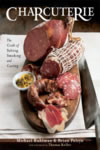
"Don't take shortcuts!", chef Bryan Polcyn urges the crowd at Barbara Lynch's Butcher Shop as he nears the end of a sumptuous 3-hour demo/banquet/book signing of Charcuterie . He's making a chocolate paté, into which he's mixed the pulverized pralines that he just made with gentle care. "Take the bowl off the mixer, take a spatula, scrape down the sides of the bowl. Don't do this on the mixer. Don't take shortcuts."

This is the silent but essential difference between cooking for joy and being a pro. In the professional kitchen, everything is about speed because everything is about cost: food cost, labor cost, turns. Pros need to take every edge and every shortcut they can get away with. But they must not take any shortcut that will be caught, a shortcut that will reveal that this dish was hurried or cheapened or careless.

Cooking at home, cooking because you want to cook, shortcuts are something else entirely. Doing things right can make sense, even if nobody will know. Your kids may not care whether the shallots were rough minced or brunoised or just run through the Cuisinart. But you'll know. Like that medieval stonecutter, you know what's in back of the food, you know whether the prep was right.

And that's why you're in the kitchen tonight, and not in a restaurant or grilling a steak out back on the Weber.

You're doing this because you want to. Don't take shortcuts: that's not why you chose to be here.

Mark Bernstein: How my cooking has changed
May 27, 2006
MarkBernstein.org
 
Follow me on Twitter

How my cooking has changed

How My Cooking Has Changed : part 2

I started to cook one hot Pennsylvania summer, living above the movie theater on Chester Road with Thorsen and Bayer, because everyone was supposed to take a turn. None of us knew much. I made spaghetti and steak and stir fried chicken.

The Joy of Cooking saved the day, though not the soft-shell crabs.

I taught myself the basics in graduate school, in a terrible Joseph Sert kitchen. I had a pot and a pan. I gave bring-your-own-fork dinner parties. I made twice-boned duck from Julia Child and Kung Pao chicken from Joyce Chen.

About two years ago, I think, my cooking changed. I've been cooking more, and cooking differently.

What changed? And why? It's a long story. I think I'll explore it in a series of posts. They'll be collected by a Tinderbox agent (which you can find here with RSS here), so if you're entering late you can easily catch up.

Mark Bernstein: A New Way To Cook
May 28, 2006
MarkBernstein.org
 
Follow me on Twitter

A New Way To Cook

How My Cooking Has Changed : part 3

I happened across Sally Schneider's A New Way To Cook in a chain bookstore one day, just about three years ago. It's very big and very broad, and The Joy of Cooking is clearly not far from its mind.

But while Joy of Cooking is a vast collection of recipes, A New Way To Cook is trying to explain a much smaller core of ideas, expressed in the form of recipes with variations. We have, for example, a core recipe for "braising small fish" or "rustic fruit tart", and then examine a host of ingredients that we can add or subtract -- and the changes that these additions and subtractions will require. In the fruit tart, for example, we might use apples or pears or strawberries (less water, more flour, add rhubarb) or blueberries (try a little thyme) or raspberries (even frozen -- add more flour because they're wet) or reconstituted dried apricots. It's all the same idea.

And that's a powerful idea, especially because a generation of home cooks raised to respect recipes can easily forget how forgiving food can be. Some things (baking) must be measured and timed, but tasty ingredients are bound to taste good whatever you do.

Schneider also recognizes that a generation of US cooks have grown up with a weird, religious antipathy to fat, which became to us what unclean foods were to our ancestors. But fat is also one of the things that makes food worth eating. It can make you crazy.

Schneider solves this brilliantly: fat's just an ingredient. An expensive ingredient. You aren't going to eat lots of fat, so you've got to make it count: you want the fat you eat to be the tastiest, freshest, most wonderful fat you can get. Schneider has you hoarding the fat from your duck, to be doled out carefully over weeks or months for cooking potatoes. You use less fat because you'll run out, and you really enjoy the fat you use.

Mark Bernstein: Speed 2
June 7, 2006
MarkBernstein.org
 
Follow me on Twitter

Speed 2

How My Cooking Has Changed : part 4

Speed is perhaps the biggest change in the way I think about cooking.

I used to think that speed was incidental, a nice side-effect. If you worked fast, perhaps you could get out of the kitchen and back to work a few minutes faster. But speed is not a side-effect: efficiency is its own inner game, and speed is its own reward.

When you're cooking at home, you can afford to go to the pantry twice, or four times. At worst , if you're really inefficient, dinner might be a few minutes late. Who cares? Will anyone notice?

It doesn't matter that no one will notice. Efficiency is aesthetic, a challenge in itself. Do things right, you'll stay out of the weeds. Get everything you need; you save steps, you get more done, you think ahead.

Last weekend, we had a nice Sunday supper with an asparagus and mushroom sauté, a salad of roasted organic beets and home-smoked salmon, duck confit with buttermilk mashed potatoes and savory cherry compote, and roasted peaches topped with fresh blueberry sauce steeped with fresh thyme. The best part: I managed to stay entirely out of the weeds. No hurry, no worry. I don't think I've ever managed dinner for company without a few dandelions.

Thinking ahead -- working hard in the kitchen to save steps and time and to do things that need to be done correctly and not to do anything that doesn't need to be done -- is its own art, the inside game of cooking. It clears your mind. It keeps you from worrying about the office, or your upcoming conference, or your checkbook.

You're here because you want to be. You're cooking something good. Everything is in place. You're not in the weeds, you're not doing 360's at the range, you're not burning the potatoes today. You've got other things to do.

Mark Bernstein: Product, Not Leftovers
June 10, 2006
MarkBernstein.org
 
Follow me on Twitter

Product, Not Leftovers

How My Cooking Has Changed : part 5

Saving dishes you didn't finish generates leftovers, and leftovers are usually dull. First, the food was usually better the first time. Second, you just had that! It was a treat the first time, but the second time is repetition.

But saving labor-intensive intermediate products -- stocks and braises and sauces -- gives you a nice launching pad for easily turning out something new. Often, that can be something small and luxurious that would be too costly or too difficult to undertake for its own sake. Instead of leftovers, you get a second special meal.

Last Sunday, we had duck confit with savory cherry compote and basil mashed potatoes. Last night, I had one leg of duck confit left from last Sunday night's feast. Now, duck confit takes a few hours to make; it's not something you whip up for a Thursday night dinner, especially not when you spent an extra hour at Eastgate coding a new Tinderbox feature.

Of course, this last leg was left because it was the scraggliest and least presentable. So I boned the leg, coarsely chopped the meat, and heated in a dry non-stick pan for about fifteen minutes.

I took two corn tortillas and toasted them quickly in another dry skillet. Brushed each with a little hoisin sauce. Sprinkled them with chopped scallions, and then with the duck.

Yum.

Mark Bernstein: Slow Speed
June 17, 2006
MarkBernstein.org
 
Follow me on Twitter

Slow Speed

How My Cooking Has Changed : part 6

Sometimes in the kitchen, the right kind of speed is slow.

I've begun to set aside longer blocks of time devoted to cooking. With my schedule, this blocks have to be scheduled weeks, maybe months in advance. But I've had good luck with Sunday mornings at the market and afternoons in the kitchen.

Last week, I indulged in a brand new terrine mold, and today I've been working through what Charcuterie calls the easiest terrine in the book. It's a shrimp, spinach, and salmon mousseline. I'm going to garnish it with mushrooms and roasted peppers. The spinach alone took 2 1/2 innings of the baseball game to chiffonade.

I chickened out of the veal terrine, which left me with two pounds of stewing veal. So I've got a pot of Patricia Wells' veal stew going as a background task. That includes two pounds of carrots, sliced into thin rounds. Oh, my aching wrist.

I used to be a chemist, and this sort of systematic kitchen work takes me back to the lab. I often found lab work dull, when you come right down to it. There was always too much glasware to watch and too many beakers that weren't yet boiling. Yet sometimes I miss those cyclooctatetraenes.

Spending time with a long preparation that offers a good return on the investment -- stock, say, or even demi-glace -- is a pleasant break from wrestling with the code and balancing the books.

Mark Bernstein: Gallette Lyonaisse
March 29, 2007
MarkBernstein.org
 
Follow me on Twitter

Gallette Lyonaisse

Ed Ward has a lovely paen today to the therapeutic effects of spending a little bit too much for dinner in Paris.

Monsieur had opened the front door and was standing outside on the sidewalk. What, I asked him, was that potato thing? "Gallette Lyonnaise," he answered. "Potatoes, onions, bacon. You put it on the plate to look like a cake, which is why the 'gallette.'" "And the potatoes make it Lyonnaise," I said. "Exactly." The air was cool and bracing. "You are at a hotel?" he said, pointing down the hill. "he hotel," I said, pointing up the hill. "Ah, rue Lafayette," he decided. I didn't disabuse him. He extended his hand. "Well, my friend, thank you very much. Come again." I told him I would and he went back inside. I started the climb to the firetrap I was going to call home for the night.

Closer to home, I made a nice dish the other night. I sauteed two shallots in olve oil, and added a couple of cups of wild rice. After a couple of minutes I added a half cup of white wine, and let it reduce, and then two cups of water. While the rice cooked, I small-diced some artisan kielbasa, sauteed, and drained it. Then I diced some really nice little organic carrots and browned them lightly in olive oil and butter. As the rice was nearly done, I added everything along with a few dried cherries and plenty of baby spinach, stirred, and served with a nice Chilean sauvignon blanc.

Mark Bernstein: Onglet
April 8, 2007
MarkBernstein.org
 
Follow me on Twitter

Onglet

I stopped in Savenor's to get a chicken. Lately, Michael Ruhlman has convinced me that roast chicken needs to be brined, and that’s enough of a production that I’d rather get a really good chicken.

So I pulled into the 15-minute parking space in front, and left with a chicken, two huge lamb shanks, an artisan sausage, and a hanger steak.

As I handed over the contents of my wallet, the cashier mentioned that this was also her favorite steak. “Do you grill it?” I asked. “Or pan-sear it?” She broils it, after marinating it in oil and vinegar and Italian spices.

Now, this didn’t grab me at first, but I could use a different rub and I have a big pile of Penzey’s Italian Herbs that I bought in a delusionary fit and seldom use. So, I rubbed the hanger steak all over with kosher salt, fresh pepper, sugar, and ground ancho chile, and then coated it with lots of the dried herbs. Onto the grill! I'm not completely sure that the herbs helped the flavor, but they made the kitchen smell wonderful.

Memo: buying the grill on the Wolf range was a big win.

We had a bottle of a cheap red Bordeaux chosen at random from a pile of cheap young Bordeaux at Fresh Pond (2005 Chateau Tour De Pic, and very drinkable it was), and a sip of one of Dr. Loosen’s lovely dessert Rieslings for dessert.

Mark Bernstein: Banana Fish
April 13, 2007
MarkBernstein.org
 
Follow me on Twitter

Banana Fish

Last night after work, I had a small problem. Earlier in the week, I'd stopped by the wine store, and they were tasting this interesting white Bordeaux (Chateaux Villa Bel-Air Graves 2002) that has tons of oak and malolactic fermentation and was only $12. So I grabbed some.

This wine may be impeccably French, but it could drop by Veronica Mars' for lunch with the girls and nobody would know that it was an exchange student. But what do I know?

Except when I got to the cash register, the wine actually was $21. Oh well. I got a couple of bottles anyway. We'd had half a bottle on Wednesday, so I wanted to cook something that would go well with the remaining half.

Also, since preparations for CAQDAS and Tinderbox Weekend UK are in full swing, it was already late. So I needed something that was fast, easy, could be made with ingredients on hand.

You say, “Banana?” I got the idea from the cook on the Amazon trip, who used either banana or plantain in a fish braise. Which? Couldn't find out. I tried banana, since it was handy; if the answer was really “plantain”, I figured the banana would tell me. It held up surprisingly well to 25 minutes in the oven; when finished, it was sweet and roasted and savory but not mushy.

You say, “Vanilla?” That idea came from Catalina, in Sydney. But it coordinates with the Amazon spirit of the thing.

What was missing? It needs a chewy green. Maybe kale? Or baby bok choi? But good!

Mark Bernstein: Duck Pastrami
October 31, 2007
MarkBernstein.org
 
Follow me on Twitter

Duck Pastrami

A previous flirtation with duck ham had gone astray. It tasted just like ham, so what's the point?

Last night, I wanted to build out my duck confit a bit. So, I made a bed of mesclun drizzled with a little sherry vinegar, and placed a nice, hot and crisp piece of confit on top. Two small pear slices along side, and three slices of duck pastrami. (Two duck breasts, cured in sugar, brine and pink salt for 36 hours, coated in toasted black pepper and coriander seed ground coarse, and then smoked for about 2 hours over pecan)

Aside from the confit, an all-American meal. (You could quibble about the artichokes, but the peppers are pretty much a 19th century relish.)

Mark Bernstein: What was for dinner
December 10, 2007
MarkBernstein.org
 
Follow me on Twitter

What was for dinner

The tart is a bit fussy but it's a keeper. The jury is still out on the onion soup, which really needs to be great since it (a) consumes 6 cups of precious homemade stock and (b) all that sweating and caramelizing and deglazing is a lot of trouble, Mrs. Pedicaris. I thought it was underseasoned the first time, Linda thought it was salty, and I'm having a tough time with my croutons. But it was oniony, anyway.

The homemade ice (juice, a little syrup, tossed in the freezer and stirrer occasionally) is a win. It's a nice idea from Alice Water's nice new book about The Art of Simple Food . And I'd forgotten how easy that chocolate tart is.

Mark Bernstein: Lamb, Pasilla, Honey
March 30, 2008
MarkBernstein.org
 
Follow me on Twitter

Lamb, Pasilla, Honey

Last week, I roasted a whole leg of lamb. It was on sale at the store, I needed to cook something, and I wanted leftovers. It was good. So were the leftovers. But there was still a lot of lamb left over, and my steady lunch slate of roast lamb sandwiches is not making inroads.

So, I took the remaining 1,5 lb. of meat and chopped it into bite-size chunks and put those in a large sautée pan with just a little oil. While they gradually heated, I roasted 6 cloves of garlic in a hot dry skillet for 15 minutes, and toasted four largish dried pasillas (stemmed and seeded) for maybe 20 seconds a side in the same pan. The pasillas went into some water for a 30-minute soak, and the garlic cooled and waited to be peeled.

Then, I threw the peppers, the garlic, and about 1/2c of the soaking liquid into the blender with some pepper and cumin seed. Much whirling, then straining. The sauce goes onto the lamb. I wanted 2c of stock to add to the lamb at this point, but (shame!) I'm out of stock. "Water will do!" says Michael Ruhlman. So water it was, and it did fine. Also throw in a peeled, cubed sweet potato. Simmer for about 40 minutes.

If you were starting from raw lamb pieces, I'd just brown them well before adding the sauce, and simmer an extra 30 minutes or so before adding the sweet potato.

Then, add some honey. About 1/4c, maybe a bit more. Mix well. You want it to be sweet, but just barely sweet. Give it another stir, toss in some fresh cilantro, and make tacos with the lamb, some home-made guacamole (since a container of guacamole at the museum of fruits and vegetables was $11!), some sour cream, and some raw onion. Very nice with a Magic Hat #9!

It's an interesting dish (adapted from Bayless): distant memories of the Alhambra with a strong Indian accent.

Mark Bernstein: Stocking Up
April 28, 2008
MarkBernstein.org
 
Follow me on Twitter

Stocking Up

Day two: take the bones and vegetables from yesterday's stock out of the refrigerator, fill the pot with cold water, and do it all over again.

I've never tried remouillage like this before; it sounded like cheese paring. But the ten hours of simmering on Saturday left me just 32oz of stock — very strong, rich, gelatinous stock to be sure, but it's still just four cups. So, once more into the breach.

And it worked nicely; nothing more added, and it still came out rich and flavorful. I took 3 or 4c for dinner and still had a quart and a half to freeze

This was also my first encounter with the Super 88 fish counter, which looks very promising. Many tanks of live fish, and lots of fresh fish I've never tried.

Mark Bernstein: Stock Weekend
April 28, 2008
MarkBernstein.org
 
Follow me on Twitter

Stock Weekend

With everyone talking about the glories of veal stock, I realized my reserves of stock were just about exhausted. And so, with 7 pounds of really nice veal bones from Savenor's, I embarked on a stock weekend.

You don't have to make a big tsimmes, as Ruhlman recently reminded us. Grab 3 lb of bones, roast them if feel inclined, toss them in a pot, fill it with water, and leave it uncovered in a 180° oven for a few hours, Easy as pie. You can add mirepoix, you can add a sachet, you can do all sorts of stuff. You don't have to. Nobody will take off points.

Innovations this time: the pot was uncovered throughout, and I let it simmer a little more aggressively than usual. I also let it go for five hours before adding the mirepoix (roasted onion, carrot, and celery) and tomato, where previously these went in from the start.

I borrowed two ladles of veal stock for dinner, to make a nice mushroom sauce for the roast chicken. Hot pan, olive oil, shallots. Mushrooms. Deglaze the roasting pane with the veal stock; add to the mushrooms, reduce. Serve.

The entree made a really nice plate.

The bread pudding, incidentally, was a big win, and easier than pie. Whole wheat supermarket bread, 6 oz. of really good bittersweet chocolate, some cream and sugar, a couple of eggs and an egg yolk. The dessert sauce is butter, sugar, whiskey, and nutmeg; simmer until dissolved, then whisk in a beaten egg and simmer 'til thick.)

The only bad news is that, after the sauce tonight, I only managed 32oz of stock. Ouch. But there's still the remouillage tommorrow.

Mark Bernstein: Barbacoa
June 9, 2008
MarkBernstein.org
 
Follow me on Twitter

Barbacoa

I've had my eyes on this Rick Bayless recipe for some time, because the technique seems so completely improbable that I came to suspect it might actually work. This is a very free adaptation of the sort of outdoors tropical cooking that you really can’t do in your backyard — the sort of cooking that begins with spades and machetes and ends with lemon leaves.

But this turns out to be really easy, and good.

We begin with an tinfoil roasting pan that we're going to nestle between the coals of our Weber grill. But, instead of using it just to catch and discard grease, we fill it with three very nice carrots (diced), a biggish white onion (small diced), a few Yukon gold potatoes (large diced), , about ten cloves of garlic (peeled) and about a quart of water.

Over this bowl of soup-to-be perches a lamb shoulder roast. Salt it really well before it goes on the grill. At either side we have hot coals, and some soaked hickory chunks. The whole thing is covered and the fire is kept on the low side of moderate, and it all goes for a couple of hours. My fire was excessively moderate, and so it was like three hours. You're taking the lamb shoulder all the way to well done -- 170°F or so. From time to time, add water to the pan, and add coals to the fire.

When the lamb is done, you take it off the grill and let it rest for twenty minutes. Then you pour the soup and vegetables into a pot, rush it into the kitchen, separate out the fat (there is less than you'd think), add about 3/4T of salt, one minced chipotle, and a handful of chopped cilantro.

And so you can sit around the fire and sip cups of this really tasty, smoky soup, eat hunks of this tasty roasted lamb (I made a bowl of tomatillo-chipotle salsa which played the role normally played by barbecue sauce), and drink lots of beet.

Mark Bernstein: On Food, and then again....
June 13, 2008
MarkBernstein.org
 
Follow me on Twitter

On Food, and then again....

Harold McGee has a blog, and explains why white pepper sometimes develops nasty flavors. Short version: they ferment away the fruit and keep the seed, and when you ferment barrels of fruit outdoors in the tropics, sometimes things get out of hand.

Eric Ripert, simultaneously, blogs about why he likes white pepper. Meanwhile, Ruhlman's reminding us that chilli peppers are spelled with a double 'l' (a borrowing from Nahuatl.

Mark Bernstein: Independence Day Grill
July 5, 2008
MarkBernstein.org
 
Follow me on Twitter

Independence Day Grill

Still too early for corn, but not too soon for serious grilling!

Mark Bernstein: Sunday Night's Fast Grill
July 14, 2008
MarkBernstein.org
 
Follow me on Twitter

Sunday Night's Fast Grill

After a tricky day of family web design and home sysadmin, I wanted to keep dinner fast and simple. Fortunately, I had a skirt steak that I'd been marinating. So, dinner was no production:

The gelato is a nice example of a cooking principle: if you don 't have the equipment, just do it. I don't have an ice cream maker. Did that stop me? No! I just mixed the ingredients, cooled them on the counter, stirred them, cooled them more in the freezer, stirring occasionally. By dinner, the cream was nice and thick and cold.

Next time, I'll cut back a little on the limoncello, and perhaps I'd serve this with a bit of crunchy pastry or maybe candied nuts and orange zest.

Mark Bernstein: Feed Me!
July 14, 2008
MarkBernstein.org
 
Follow me on Twitter

Feed Me!

I'm going to have a weekend in Paris in September, in transit after WikiSym. Oh, the possibilities! I'm tempted to plan nearly every meal. This is madness.

But what do you think? Email me.

Mark Bernstein: Recipe Repair
November 11, 2008
MarkBernstein.org
 
Follow me on Twitter

Recipe Repair

A writer I know recently twittered that she’d tried to make a big batch potato-leek soup, that it had turned out way to peppery even though she’d followed the recipe, and what could she do?

Fixing recipes is always interesting.

First, you can start over. This costs you style points — it’s literally unprofessional. But we’re not professional cooks, we’re just making dinner. Sometimes, you chalk it up to experience.

One of the best parts of Alice Water’s Simple Cooking is a list of pantry dinners — good dinners you can improvise from staples you’ve got lying around. The unsalvageable goof is the perfect time to hit the pantry. Spaghetti Alfredo, or a nice carbonara with whatever greens come to hand, or a gratin of potatoes and whatever else you've got handy will cover a host of ills.

Second, you can often double down, diluting your mistake by mixing it with another batch. A little too much salt in the soup? Make another batch of soup, don't salt it at all, and then add the salty soup gradually until it’s just right. (This won’t work very well, however, if you’ve added the wrong thing entirely. If you meant to reach for the apple cider and got cider vinegar instead and it tastes terrible, diluting it will just give you soup that tastes kinda terrible. Same for burnt: you can take things surprisingly far once you learn about deglazing the pan, but if it tastes like charcoal, you’re doomed.)

Third, treat the mistake as a product and use the flaw as a strength. Your soup has lots of nice leeks and potatoes and cream, but way too much pepper? There’s a whole family of recipes for things like “chicken casserole” which call for a can of cream soup. (Classically, they call for chicken velouté or béchamel, but your mom used Campbell’s Cream Of Mushroom. Listen to Mom. After all, who added all that pepper?) You make the same thing, but instead of canned soup you’re going to use a wonderful home-made stock that just happens to have been pre-seasoned. You’d be adding a lot of salt and pepper anyway; just add less pepper.

Mark Bernstein: Farm Sharing
November 14, 2008
MarkBernstein.org
 
Follow me on Twitter

Farm Sharing

“You cook every night,” Meryl reminds me. “I cook every month.” Nonetheless, Meryl’s going to join us to take a quarter-share in our winter meat CSA. It’s a new experiment — just a dozen people, six months, ten pounds of meat a month. One month mostly lamb, the rest mostly beef. All organic, hand-raised, grass-fed, from the same farm that grows our summer vegetables.

I’m incredibly ignorant of butchering, but as far as I can work my sums, we’re talking about everyone sharing one cow and one or two sheep, right? So, this winter we’re going to be eating Twinkles and Herbert?

I’ve always wondered how the farm kids who did things like 4H dealt with this. But mine is a shabby, second-rate attitude: you ought to understand what you eat. Bob Del Grosso has been writing a lot about this lately, and writing very well indeed.

We did not receive whole animals larger than lambs at Rene Chardin Restaurant, neither did we butcher and cook any animal while we listened to it's mother calling for it as I did last week.

Yeah, you read that right. Hearing that cow calling to it's calf as it lay on the table in my kitchen being cut up was sobering. Anyway...

I'm learning more about cooking in this job than I ever thought possible. I've got this whole other set of considerations regarding the ethical nature of what we chefs do staring me right in the face every day. It has not made my work any harder, but it sure as hell has made it different.

Mark Bernstein: Popovers
January 4, 2009
MarkBernstein.org
 
Follow me on Twitter

Popovers

A cup of flour, a half teaspoon of salt, two eggs, and 12 ounces of milk. Mix, pop into the popover pan, pop into a very hot oven. Wait about half an hour. Take them out, enjoy them with real maple syrup.

Yes, get the real stuff. There’s a drought in Canada, so it costs more right now. Hint: lower-grade maple syrup is good — it just looks dark. Always better than imitation.

Mark Bernstein: Pork and Spätzle
January 17, 2009
MarkBernstein.org
 
Follow me on Twitter

Pork and Spätzle

Tonight’s dinner was Boston Butt, braised in dark beer with garlic, shallots and bacon, served over home-made spätzle. I'd planned to bail out on the spätlzle and make some pasta — the Pork & Sons recipe gives you absolution in advance — but then I thought, “why not?”

And it turns out spätzle are incredibly easy. Flour, eggs, salt. Maybe a little water if needed. Slice or extrude into boiling water (I used a potato ricer), cook for a couple of minutes, dry on parchement. Just for fun, I sauteed them in a little butter before adding pork and tasty broth.

For dessert: tarte tatin. For wine: Home Grown Red, an inexpensive California blend said to contain barbera, petite sirah, and shiraz.

Mark Bernstein: Poaching
March 1, 2009
MarkBernstein.org
 
Follow me on Twitter

Poaching

I have an egg poacher. You know what I mean: four little teflon-coated cups, each the size of an egg, that sit over a pan of hot water. Maybe your poacher has six. Doesn't matter.

I’m not wild about poached eggs, anyway.

But this morning the cupboard was somewhat bare, and yesterday was pancakes, and so I thought maybe I’d make hash browns. But hash browns all by themselves seem wrong, somehow. I was thinking of a nice plate of hash browns with a fried egg on top. But Linda doesn't like fried eggs, and it did seem like there was a lot of frying going on anyway. So, poached eggs. Big hit. Yum.

Here's the question: should the water in the poacher:

a) sit below the level of the little holes in the cups, so the eggs steam?

b) sit exactly at the level of the little holes in the cups?

c) sit a little above the level of the little holes in the cups? (If so, should it be salted?)

Now, the ur-poached egg was made in a pot of water, so in principle a little water doesn't hurt. But which of the above is ideal? (Or is this one of the Eternal Questions to which only George Burns knows the answer?)


Meanwhile, dinner is a lovely prime chuck roast, with potatoes, mushrooms, carrots, celery, and a nice red Douro.

Mark Bernstein: Tamworth and St. Marcellin
April 2, 2009
MarkBernstein.org
 
Follow me on Twitter

Tamworth and St. Marcellin

Linda’s Russian History course runs late on Wednesdays, giving us an occasion for an interestingly late dinner. The starting point for last night’s treat was a pair of very nice chops of a Tamworth pig that Savenor’s had for sale. I’ve never cooked a lot of pork – I don’t think I've made pork chops in a decade – but I keep reading about the wonders of good heritage pork. So, I grabbed them, and took advice from Pork & Sons.

What I ended up doing was simply salting and peppering the chops. I brushed them lightly with olive oil, and let the sit for about 45 minutes. While they sat, I cooked some macaroni, and then cooked it again in milk thickened with blonde roux. The macaroni went into a gratin dish, was topped with a big handful of grated gruyere, and baked for 20 minutes.

While the macroni baked, I warmed up the grill. Linda came home. I opened the wine (a Touraine gamay – not an inspired choice). I grilled the pork chops, and let them rest. I took a St. Marcellin cheese out of its cute little ramekin, cut it in half, and dropped a piece on each pork chop. Then, quickly run the pork chops and the macaroni and cheese under the broiler for a couple of minutes, pop them onto nice warm plates, and enjoy.

Oh, and we had Michael Ruhlman’s neighbor’s lemon bars for dessert!

Mark Bernstein: Gefilte Fish
April 10, 2009
MarkBernstein.org
 
Follow me on Twitter

Gefilte Fish

by Claudia Roden

“What can I bring?” I ask.

“Why don’t you make some gefilte fish? Maybe with salmon?”

This became a mission. I searched high and low. I watched YouTube videos of restauranteurs making special gefilte fish. I read books. (No one who reads this page regularly will be surprised that I bought books, too.) I corresponded with cooks on three separate continents.

In the end, I made a pretty straight gefilte fish, right out of Roden. I used 2/3 fresh salmon – the Cambridge Museum Of Fruits and Vegetables threw a sale on wild coho just for me – and 1/3 hot-smoked salmon; the smoked salmon was suggested by Michael Ruhlman himself. (There's a nifty salmon rillettes in his Bouchon book, which was impossible here but I'm going to try it right away.) I stayed fairly close to Roden’s recipe, using less sugar.

I poached the little gefilte fish balls in fennel broth. For garnish, I found some terrific little spring carrots, which I pickled overnight in dill brine, and I made some aioli for a condiment. Linda hates beets but something like chrain, the traditional beet-horseradish sauce, seemed like a nice idea. So, I whipped up some roasted red peppers with grated horseradish.


Pickled carrots

Cut off all but 1" of the carrot greens. Wash, or lightly peel the carrots. Don't overdue it.

Make a 20:1 brine. 4C of water, 50g=2oz (by weight) of salt. If you don’t have a scale, say 4T salt. This is not rocket science. Add a few peppercorns if they're handy. Bring to a boil; let the salt dissolve. Put the carrots in a glass baking dish, pour the brine over them, add the dill. Let them cool, refrigerate. 24hr later, they’re pickled carrots. Who knew?

Fennel broth

Cover, heat to near boiling, then simmer gently for perhaps 45 minutes.

Spin the onion in the food processor until coarsely chopped. Add the salmon, and spin until it, too, is coarsely chopped. Add the egg yolk, spin to combine everything. You don't want to purée. You just want to get rid of all the large chunks; if you chop too much, the fish will by unpleasantly pasty.

Whip the egg whites to soft peaks. Fold about 1/3 of the fish into the egg whites, then add the mixture to the rest of the fish. Fold until mixed. Refrigerate for 30 minutes to let everything rest.

Put the strained fennel broth in a pan (I used a sautoire, but any deepish skillet or saucepan will do), and heat to a bare simmer. Taste it; it should taste good. Add some salt if needed.

Take the fish, shape it into golf balls, and drop into the simmering broth. Cook for about 6 minutes, in batches. Fish them out with a slotted spoon. Strain the broth, cool it a little (throw in a couple of ice cubes if you like), and our some over the fish. Refrigerate overnight, and serve cool with aioli (crush a couple of cloves of garlic to a paste with salt, add to bowl, squeeze 1/2 lemon into it, add an egg yolk, gradually whisk in 1C of olive oil).

Mark Bernstein: Ratio: the simple codes behind the craft of everyday cooking
April 12, 2009
MarkBernstein.org
 
Follow me on Twitter

Ratio: the simple codes behind the craft of everyday cooking

by Michael Ruhlman

This book is important, not just because it will help you make dinner, but because it will help you understand dinner. We are emerging from the Bush era of mystical magical gibberish and have put upside-downism behind us. It’s no longer enough to do what we’re told. It’s no longer enough to believe that everything will be fine because we are Good People. It’s time for us to know what we’re doing.

Ruhlman argues that recipes are not enough; at best, having a recipe (and the necessary technique) lets you recreate a dish. You can cook it. If you like it, you can follow the instructions again. Instead, Ruhlman focuses on the key concepts that makes foods work; once you know these, you can make all sorts of things without fear.

Fear drives the cookbook business. The fear is: it won’t turn out. And, of course, if you just throw lots of stuff in a pot, like we used to do when we were six (and as clever as clever), it probably won’t turn out.

5 parts flour, 3 parts water: that’s bread. You need some yeast, but it doesn't really matter how much you add. You probably want some salt. You can add stuff: rosemary and caraway seeds, or almonds and raisins, or onion, or jalopeño peppers and dried tomatoes. You can change the shape. You can make a little, or a lot. Doesn’t matter. 5 parts flour, 3 parts water; it'll be bread.

I used to buy pancake mixes because it was so much bother to gather all the ingredients, measure them, and get the consistency right so the pancakes turned out. Sure, the Dancing Deer stuff it nice. But it’s not that hard. 2 flour:2 liquid:1 egg. An egg is 2 oz. So 4oz flour , 4oz milk, 1 egg. Throw in 1t of baking powder and 1/2t of baking soda. You can add some sugar if you like: maybe 2T. You can add some vanilla. You can add some blueberries. You can replace some of the milk with buttermilk or cottage cheese or sour cream. Want even fluffier pancakes? Separate the egg whites, whip them up, then add them to the rest. You can replace some of the flour with cornmeal or whole wheat or what you like. That's enough for 2. Need to cook for 8? 2c flour, 2c milk, 4 eggs.

It’s all like this. You can know this stuff. Nothing mystical, nothing magic, no weird rituals or procedures. Sometimes things don’t work. Ruhlman warns that mayonnaise smells fear. If your mayonnaise breaks, Ruhlman tells you how to whip it back into shape.

There’s lots of great stuff. How to make a great stock without making a big fuss. Or any fuss at all. How to whip up things like pie dough or cheese puffs off the top of your head. How to improvise a soup – any soup.

One missed opportunity is that paragon of fear, the souflée. Everyone knows that souflées are hard, dangerous, showy, and French. And Ruhlman has already covered the key ratio: bechamel for soups. The hidden trick about the souflée is: there is no trick. They’re like popovers: they just work. Alice Waters hits on this in The Art of Simple Food: the only thing that makes a souflée fall is cold air, and if your souflée does fall, pop it into a hot oven and it will poof again.

We’re seeing a second revolution in popular science in the US. The first was triggered by Sputnik, and led everyone to say, “the kids need science.” This time, in the wake of Bush and the Crash, we’re not leaving it to the kids. We want to know what we’re eating, we want to eat better, and we want to understand what we’re doing and why we’re doing it. Give us bread, and give us rosés.

Mark Bernstein: Ratio: the simple codes behind the craft of everyday cooking
April 12, 2009
MarkBernstein.org
 

Ratio: the simple codes behind the craft of everyday cooking

This book is important, not just because it will help you make dinner, but because it will help you understand dinner. We are emerging from the Bush era of mystical magical gibberish and have put upside-downism behind us. It’s no longer enough to do what we’re told. It’s no longer enough to believe that everything will be fine because we are Good People. It’s time for us to know what we’re doing.

Ruhlman argues that recipes are not enough; at best, having a recipe (and the necessary technique) lets you recreate a dish. You can cook it. If you like it, you can follow the instructions again. Instead, Ruhlman focuses on the key concepts that makes foods work; once you know these, you can make all sorts of things without fear.

Fear drives the cookbook business. The fear is: it won’t turn out. And, of course, if you just throw lots of stuff in a pot, like we used to do when we were six (and as clever as clever), it probably won’t turn out.

5 parts flour, 3 parts water: that’s bread. You need some yeast, but it doesn't really matter how much you add. You probably want some salt. You can add stuff: rosemary and caraway seeds, or almonds and raisins, or onion, or jalopeño peppers and dried tomatoes. You can change the shape. You can make a little, or a lot. Doesn’t matter. 5 parts flour, 3 parts water; it'll be bread.

I used to buy pancake mixes because it was so much bother to gather all the ingredients, measure them, and get the consistency right so the pancakes turned out. Sure, the Dancing Deer stuff it nice. But it’s not that hard. 2 flour:2 liquid:1 egg. An egg is 2 oz. So 6oz flour, 6oz milk, 1 egg. Throw in 1t of baking powder and 1/2t of baking soda. You can add some sugar if you like: maybe 3T. You can add some vanilla. You can add some blueberries. You can replace some of the milk with buttermilk or cottage cheese or sour cream. Want even fluffier pancakes? Separate the egg whites, whip them up, then add them to the rest. You can replace some of the flour with cornmeal or whole wheat or what you like. That's enough for 2. Need to cook for 8? 3c flour, 3c milk, 4 eggs.

It’s all like this. You can know this stuff. Nothing mystical, nothing magic, no weird rituals or procedures. Sometimes things don’t work. Ruhlman warns that mayonnaise smells fear. If your mayonnaise breaks, Ruhlman tells you how to whip it back into shape.

There’s lots of great stuff. How to make a great stock without making a big fuss. Or any fuss at all. How to whip up things like pie dough or cheese puffs off the top of your head. How to improvise a soup – any soup.

One missed opportunity is that paragon of fear, the souflée. Everyone knows that souflées are hard, dangerous, showy, and French. And Ruhlman has already covered the key ratio: bechamel for soups. The hidden trick about the souflée is: there is no trick. They’re like popovers: they just work. Alice Waters hits on this in The Art of Simple Food: the only thing that makes a souflée fall is cold air, and if your souflée does fall, pop it into a hot oven and it will poof again.

We’re seeing a second revolution in popular science in the US. The first was triggered by Sputnik, and led everyone to say, “the kids need science.” This time, in the wake of Bush and the Crash, we’re not leaving it to the kids. We want to know what we’re eating, we want to eat better, and we want to understand what we’re doing and why we’re doing it. Give us bread, and give us rosés.


Mark Bernstein: Cream Puff
June 3, 2009
MarkBernstein.org
 
Follow me on Twitter

Cream Puff

Ruhlman is ranting about paté a choux. This is a ten-pound name for a simple little concotion. You take some water — say 4oz. Add half as much (by weight) of butter. Heat it to boiling. Add some flour — the same amount, by weight, as the butter. Stir for a while until it's nicely mixed. Let it cool a bit, and then add eggs — one egg for every 2oz of water you added.

Once everything was mixed, I added a half cup of grated cheese, spooned it onto a parchment-lined backing sheet, pressed a 3/8" cube of nicely crisped wild boar bacon into the middle, and baked them at 400•F for 10 minutes and 325• for another 15 minutes. Terrific. We had these with asparagus, steamed and topped with the rest of the grated cheese and then topped with one fried egg.

Mark Bernstein: Apricot sauce
June 25, 2009
MarkBernstein.org
 
Follow me on Twitter

Apricot sauce

I improvised an interesting apricot sauce last night for Ruhlman’s Argentinian pan-roasted tenderloin.

Wash 4 apricots. Slice in half, discard the pits. Don’t worry about the skin.

Throw them in a small saucepan with a splash of olive oil, a small cup of white wine. a bay leaf, some thyme, some ground ancho (or cayenne, or whatever hot pepper you like), and a bit of honey. Cover, cook for about 20 minutes.

Drop in the blender. Puree. Back into the saucepan. Add a spoon of good mustard, a little salt maybe. My apricots weren’t very ripe, so I added a bit more honey. Heat. Serve.

It’s a nice color, and it’s rich and creamy without much fat.

Mark Bernstein: Bread
July 11, 2009
MarkBernstein.org
 
Follow me on Twitter

Bread

Bread

Making bread used to be a Big Deal that I did every year or two. Then I read Ratio.

First, get a digital scale. ($35 from amazon) . You don’t need to have one, but it makes life much easier.

Put your bowl on the scale: press a button to zero it. Add 20 oz. of flour. (I throw in a cup of whole wheat; it makes Linda happier) No sifting, no fussing. Linda, watching me, said “You could maybe use just a little care when you measure!” But I don’t need to: the scale tells me when I’ve got 20 ounces.

Then, push the button again to zero the scale. Pour in 12 ounces of water. You don’t need to measure; I use a measuring cup for old time’s sake.

Then, throw in a couple of teaspoons of salt, a teaspoon of yeast. Or a whole packet of yeast — doesn’t matter. I squirt in some honey. Mix well. (Don’t break your wooden spoon, like I did; the splinters are nasty. Use the spoon until it gets too thick, then user your hands. Takes two minutes, tops.)

Let it rise for a while. Couple of hours? Sure. Last one, I let it go overnight and it was fine. Punch it down, form it into a ball, put it into an oiled dutch oven. Let it rise some more. Then pop it into a 450° oven — covered for 30 minutes, uncovered for 20 minutes. You’ve got a nice loaf of bread.

Mark Bernstein: Dinner
August 7, 2009
MarkBernstein.org
 
Follow me on Twitter

Dinner

I've been reading Clotilde’s book , and so naturally a lot of her ideas crept into dinner.

What most interests me about Chocolate and Zucchini, the pioneering food weblog, is the emphasis on how one might plan and think about cooking and eating. In one of the first posts I read, I remember that Clotilde had a bottle of wine she wanted to drink with her friends. “What will be nice with the wine?”, she asked. I’d always asked, “What wine would suit this dish?”

Tonight featured a good old-fashioned cooking disaster. These things happen. I wrapped a nice big chunk of my home-cured pancetta in a foil packet, and wanted to cook it gently, gently, in a very low oven for hours and hours. Because my big over would be busy, I used the toaster oven. Voila!

Except somehow the toaster oven’s rheostat founds its way to 400° (200°C) when I meant 200° (95°C). This meant the confit was way over. But it was mostly edible, and it certainly was as lean as pork belly can be!

Mark Bernstein: Chocolate and Zucchini
August 20, 2009
MarkBernstein.org
 

Chocolate and Zucchini

Chocolate and Zucchini
Clotilde Dusolier

(order)

(August 20, 2009)

I've been reading Clotilde’s book , and so naturally a lot of her ideas crept into dinner.

What most interests me about Chocolate and Zucchini, the pioneering food weblog, is its emphasis on how one might plan and think about cooking and eating. In one of the first posts I read, I remember that Clotilde had a bottle of wine she wanted to drink with her friends. “What will be nice with the wine?”, she asked. I’d always asked, “What wine would suit this dish?”

Tonight featured a good old-fashioned cooking disaster. These things happen. I wrapped a nice big chunk of my home-cured pancetta in a foil packet, and wanted to cook it gently, gently, in a very low oven for hours and hours. Because my big over would be busy, I used the toaster oven. Voila!

Except somehow the toaster oven’s rheostat founds its way to 400° (200°C) when I meant 200° (95°C). This meant the confit was way over. But it was mostly edible, and it certainly was as lean as pork belly can be!

  • corn-chipotle muffins
    • margaritas
  • carpaccio of summer squash, goat cheese, cilantro sprigs, pear vinegar
  • home-smoked duck breast, confit of pancetta-cured pork
    • white Rueda
  • asparagus and cod en papillote, with shallots, orange zest, dill, thyme, and crème fraîche
  • duck stew (fresh figs and apricots, turnips and potatoes from the farm)
    • a modest super Tuscan
  • blueberry tarte with almond cream
  • coffee and lemon sablés

Mark Bernstein: Scones
September 13, 2009
MarkBernstein.org
 
Follow me on Twitter

Scones

For breakfast, I made hot currant scones.

These are ridiculously easy; you take 2c (300g) flour, 2.5T baking powder, 1/3c sugar, a bit of salt, and a couple of handfuls of currants. Mix them with 1.5c (350g) cream. Knead to mix, hand-shape to an approximately round cake, brush with some melted butter and sprinkle with sugar. Divide the round cake into eight segments, put them on a cookie sheet. Pop them into a 400°F over for 17 minutes and you're done.

They take about the same time as omelets and pancakes and popovers. They’re tasty. And you get leftovers for tomorrow’s breakfast, too.

Mark Bernstein: Back of the House
September 27, 2009
MarkBernstein.org
 
Follow me on Twitter

Back of the House

One evening back in Delaware, during the worst of DuPont, I got out my copy of Joy and made oyster stew. It was inedible. We had to go out for a burger. These things happen sometimes.

But not so much; after all, if you start with decent ingredients, good food is, well, good food. You can only mess it up so far. “Oyster stew” became proverbial, but it’s pretty rare.

If you cook like I do, you never know exactly how things will turn out. That’s why they play the games. On any given Saturday…

This time out, lots of things went wrong. I got into the weeds and had to jettison the mignardises. At the other end of the meal, the gougeres were just a bit underdone. The confit didn’t crisp as well as I would have liked. Farro is a new dish for me, a nice way to use the fresh chicken-duck stock I’d just made. It went fine with the lamb, but “serves 4” was meant for another context, and I’ve got leftovers for a small army.

The freezer was getting a bit filled with poultry bones and so I made a batch of fresh chicken/duck stock for the soup. It’s a good thing I did, because farro has an insatiable appetite for stock.

The slow-roasted lamb was a bit of a mess, but this wasn’t Clotilde’s fault. At the butcher, there were only boneless shoulder roasts, and I realized too late that for Clotilde’s dish this isn’t a detail. The bone isn't just there for a little extra flavor; it's also supplying more fat and connective tissue that the slow roasting cooks to moisten the meat and improve the texture. Without the bone, the lamb was just too dry.

But it was lots of fun anyway, and I won’t need to eat anytime soon.

Mark Bernstein: How My Cooking Changed, Again
October 7, 2009
MarkBernstein.org
 
Follow me on Twitter

How My Cooking Changed, Again

A few years ago, I read an important food blog post. Clotilde at Chocolate & Zucchini, was introducing a recipe, and explained that she had cooked this because friends were coming to dinner and it would go well with a bottle of wine she wanted to serve.

It had never occurred to me that you might fit your meal to the wine, instead of picking the wine for the meal. And this doesn’t just apply to wine; once you reexamine habits and prejudices, all sorts of things start making sense.

Here’s a recent weeknight dinner:

Now, back in grad school I’d have thought of this as company fare. And it would work fine for company. But it also works fine for a a pickup weeknight dinner. It’s relaxing, tasty, fairly fast, and fairly cheap. Some points:

  1. Hanger steak, if you can get it, can be almost as cheap as ground beef. It tastes great.
  2. Grilling is better than broiling or pan-frying. In the Boston winter, you just aren’t going to use the charcoal grill a lot — even if charcoal is the right way. A really good range with a grill is a great investment; you spend an extra thousand or two thousand bucks, but you save restaurant bills for fifteen years.
  3. We used to eat out a lot. It adds up. For the price of takeout, you can splurge on ingredients almost every day and still wind up way ahead.
  4. Shallots are your friend. Use them like onions. They are onions, optimized for cooking. (“Shallot” comes from the city Ashkelon; they’ve been in beta for a long time.)
  5. You can buy bacon for $3 bucks. I paid $8 for my wild boar bacon. But it’s more flavorful, so I can use less. It’s leaner — those wild boars work for a living — so it’s probably a little less bad for you. It’s selected and smoked with more care, so it tastes better. And I eke it out in small amounts to spice up lots of dishes.
  6. Farm shares are a good thing; the encourage you to cook things you don’t know how to cook. Like turnips.
  7. Unfashionable wine is fun. Bordeaux from the wrong side of the river. Portuguese wine: you can get a case of Vinho Verde for $50. Super-Tuscans with bad PR departments seem to be great bargains.
  8. OK, doc. Steak, and buttery biscuits, and bacon in the turnips, and more butter in the tart crust. And wine. It’s still healthier than fast food. Even out the strain. Tomorrow you can grill some fish, and worry about the mercury instead.
  9. Ratio changed baking for me, overnight. It’s not a mystery. It doesn’t require tons of precision. Get a digital scale, use it. 3 parts flour, 1 part butter, 2 parts water, and some baking powder and salt: it’s biscuits. Scones are even easier. Bread is good for you. (I’d have used whole wheat in the biscuits, but I’d just exhausted my second 5lb bag this summer)
  10. Make a pie crust at half-time on Sunday afternoon. Roll it out, throw some apple slices on top, sprinkle with sugar and cinnamon. Oops — no more cinnamon! No problem: they were great anyway. And they were great on Monday, and Tuesday, too.
  11. Regarding that cinnamon: I run out of ingredients nowadays that used to last me decades. One can of baking powder got me through the 90’s. I finished a can this year, and I’m half way through the second. Cinnamon’s gone, so it the vanilla. No problem: newer ingredients taste better, they’re better for you, and they’re cheap. You can buy a lot of cinnamon for the price of a trip to the diner.
  12. Warm the plates. Use wine glasses.
  13. It’s 45 minutes, maybe, from the time I pull up in the driveway to table. Less if I don’t do the biscuits – but then I’d probably want potatoes. Since I tend to leave work around 7 (on a good day), we eat late. But the delay is good; I’m less likely to obsess about work over dinner. OK: not much time for TV. Can’t have everything everyday.
Mark Bernstein: Blowtorch
October 26, 2009
MarkBernstein.org
 
Follow me on Twitter

Blowtorch

We tried a Sunday Supper this week. The extra weekend day makes prep more relaxed. I did the usual marketing on Saturday, did a little extra baking on Sunday morning (scones!) and stayed out of the weeds until I knicked my finger on the mandoline.

But I also had a bad attack of the dumbs all day. At breakfast, I made whole wheat scones — and forgot to cut the scones before putting them in the oven. Linda charitably points out that this error is not without precedent:

The Quaker’s wife, she baked a scone
And Johnny danced while it was on
Merrily danced the Quaker’s wife
And merrily danced the Quaker.

Linda also encouragingly prophecied that I had made my mistake for the day, the spirits would be satisfied now and the rest of the menu would go off without a hitch. It did not. I underbaked the madeleines for no good reason, scorched the roast beef badly on the charcoal grill while listening as the Patriots scored another pointless touchdown, indulged in a protracted a wrestling match with a pie crust that tried to be light and flaky before baking, failed to note when the mignardises were put into the oven and so had no clue when they were to be taken out, and then, disastrously, believed my instant-read when it said the beef had reached 135°. Somewhere, no doubt, the sun was over the yardarm, somewhere children were shouting, and somewhere someone’s beef as in fact done. Mine was not. (An indoor grill is a handy thing in such an emergency.)

What I was trying to do was to adapt the Blowtorch Beef from the new Ad Hoc book to manage without the blowtorch, searing the beef over charcoal and then finishing it in a slow oven. I even got permission, or perhaps absolution, from Michael Ruhlman for this innovation. But I assumed that the beef would look after itself for a couple of minutes while the Patriots amused the crowd at Wembley, and when I returned to check the flames were engulfing the grill and threatening the house, the tree, and the neighbors’ pets. This turned out to be a good, fast sear, but it wasn’t relaxing. (Solution: grab mitts. Reach into conflagration. Grab large, flaming, grass-fed organic beef. Avoid setting fire to shirt, trousers, or cutting board. Allow beef, and cook, to rest before proceeding.)

So, dinner was a bit ragged. But you know what? It was pretty tasty! Even the bits that weren’t right were still good food.

(*) ifs and buts are candied nuts.

Mark Bernstein: Mushrooms
July 30, 2010
MarkBernstein.org
 
Follow me on Twitter

Mushrooms

Following up on the mushroom pappardelle I made last week, I sautéed some mushrooms to go with dinner the other night using the same technique: very hot pan, very hot oil, don't move the mushrooms.

I learned to cook vegetables from Joyce Chen’s book, so my default procedure is to stir fry in a hot pan, starting with garlic and onion, then adding vegetables, keeping everything moving, and concluding with sauce. This procedure runs against the grain: you let the mushrooms sit, and you add the garlic last.

But it works great, developing plenty of fond and browning the mushrooms beautifully without burning them or drying them out.

Mark Bernstein: Dinner
August 8, 2010
MarkBernstein.org
 
Follow me on Twitter

Dinner

Saturday, we splurged and went to Maine where we had art, gin and tonics, lobster, and blueberry pie. A good time was had by all, except the budget.

So tonight’s dinner had a certain penitential theme, a training table for a short week of intense coding.

Mark Bernstein: Precipitate
August 26, 2010
MarkBernstein.org
 
Follow me on Twitter

Precipitate

So, I was trying to make the smoked pistachio brittle again this morning. “Easy!” I thought.

I lightly smoked the pistachios, and while they cooked I weighed out the sugar and water to the nearest gram. They got hot. They got hotter. Everything was fine. And then...

Suddenly, I had a pot of damp sugar crystals. For some reason, the sugar precipitated out of solution. What did I do wrong?

Breakfast of champions.

Mark Bernstein: Thursday Feasting
August 27, 2010
MarkBernstein.org
 
Follow me on Twitter

Thursday Feasting

Constraints: no meat, school night, some guests travelling hundreds of miles might arrive late.

The meal proves that you can have too much food, even without meat. We drank vinho verde, which goes with the weather, and beaujolais, which goes with the mushrooms and maybe with the figs. The fritters were a failure: fritters must be fried to be worth eating, but I was deluded by a cookbook that suggested the pancake approach.

I got badly weeded in late prep and so the eggs in purgatory lacked their breadcrumb topping, and we've already discussed the pistachio brittle misadventure.

Mark Bernstein: Early Autumn
October 12, 2010
MarkBernstein.org
 
Follow me on Twitter

Early Autumn

I’m beginning to reach for a jacket as I head out the door, and suddenly the idea of a Fall Dinner didn’t seem as forced as it did a couple of weeks ago.

Lesson of the night: grilling the third course is far harder than grilling the first. Grill at the start of the night and it’s a general entertainment, watching the fire and sipping drinks. Grill in them middle and it’s one more thing to track.

I really like the Pinot Grigio with the duck. I’ve been reaching for grenache and shiraz for confit, but this makes a lot of sense.

I did try to avoid the food coma effect this time, sticking two the four course formula of Sunday Suppers and Lucques, a seldom-mentioned book from which I’ve learned a lot. Still too much food, I fear. But feasting is seasonal for autumn, right?

Mark Bernstein: Basil Smash
October 21, 2010
MarkBernstein.org
 
Follow me on Twitter

Basil Smash

The answer to last night’s “what shall we drink?” turned out to be a Basil Smash. This turns out to be a new cocktail, invented in Hamburg quite recently. I didn’t know that at the time; everything else we’ve been making in this cocktail expedition has been antique.

You muddle some simple syrup, a bunch of basil, and some cut up lemons in the bottom of a shaker. Add ice and gin. Shake really well. Double-strain when pouring.

This really is very good! Mine wasn’t nearly as green as the beauty shot at 365 cocktails, but the basil notes were prominent without being overwhelmingly grassy. I found it at Summit, which is well worth reading and which also features the red variant. A terrific use for some of the last of this summer’s basil, and perhaps a good reason to favor basil for the Aero crop.